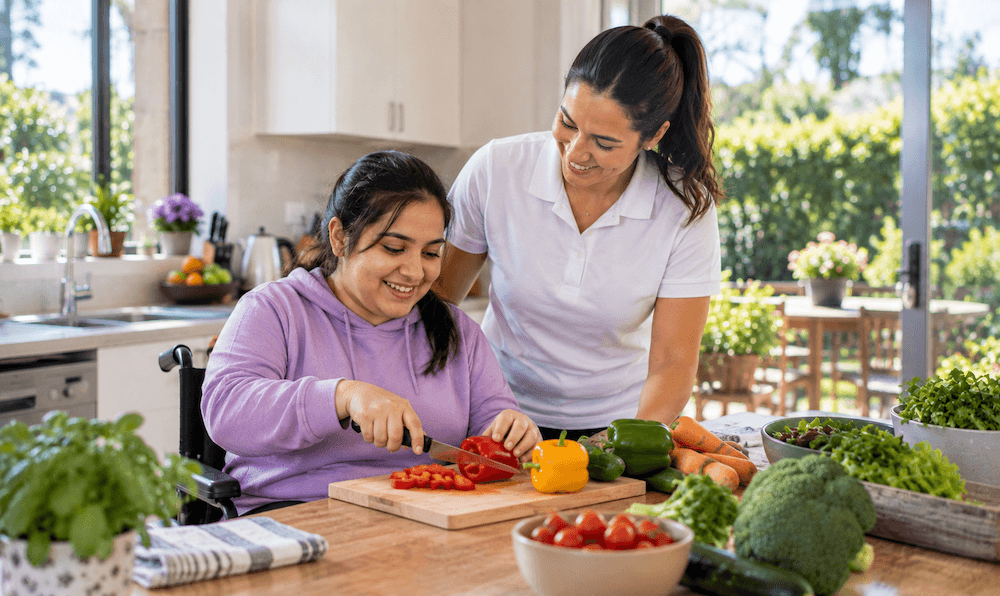

Staying Connected: Why Social Activities Matter for Everyday Wellbeing
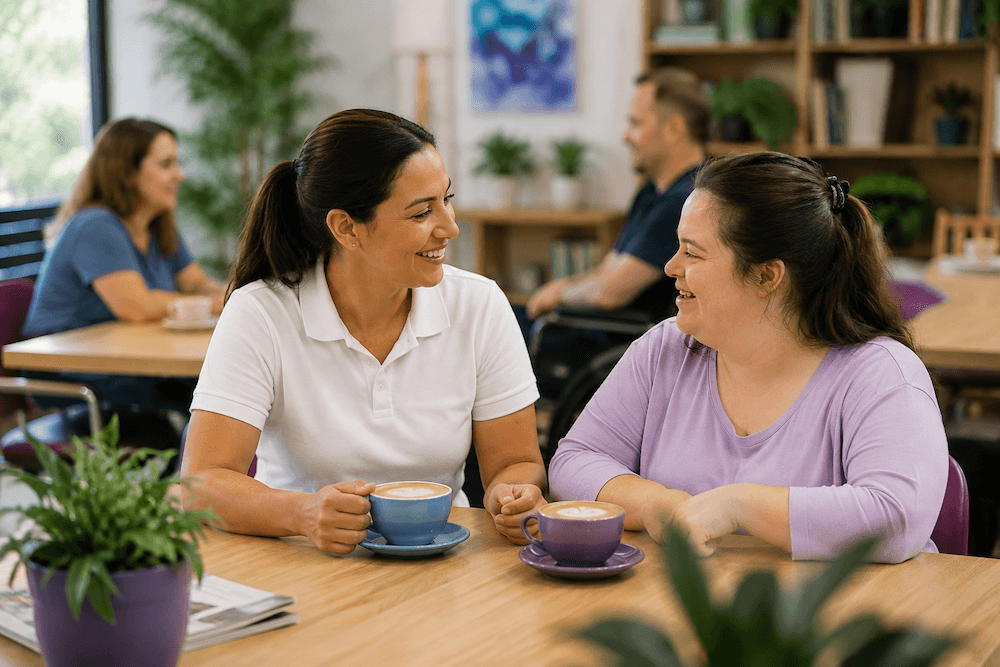
Being part of a community can make a meaningful difference to everyday life. Meeting people, enjoying shared interests, attending local activities, or simply spending time outside the home can provide opportunities to build confidence and develop stronger social connections.
For people living with disability, finding activities that feel comfortable, enjoyable, and meaningful can sometimes require additional planning and encouragement. Social participation should never be about simply filling time. It should be about finding experiences that reflect a person’s interests, abilities, preferences, and goals.
At Truecare Support Services, we believe meaningful participation can help people feel more connected while creating opportunities to develop confidence and independence in everyday situations.
Why Social Connection Matters
Human connection plays an important role in emotional wellbeing. Regular interaction with other people can provide a sense of belonging and create opportunities to share experiences, interests, and achievements.
Social activities can also encourage people to try new things. Visiting a local community centre, joining a hobby group, attending a sporting activity, or meeting friends at a café can gradually make unfamiliar environments feel more comfortable.
For some people, even taking the first step outside a familiar routine can be an important achievement.
Finding Activities That Feel Meaningful
The most valuable activities are not necessarily the most popular ones. What matters is whether an activity has personal meaning.
Someone might enjoy gardening, while another person may prefer art, music, cooking, sport, technology, shopping, or simply exploring different places in their local community.
Starting with familiar interests can make participation feel more natural. From there, new activities can be introduced gradually as confidence develops.
This approach allows people to have greater involvement in choosing how they spend their time rather than feeling that activities are being selected for them.
Building Confidence Through Experience
Confidence often develops through repeated positive experiences.
The first visit to a new location may feel uncomfortable, but returning again can make the environment more familiar. Over time, a person may become more comfortable speaking with others, asking questions, making choices, or participating without as much assistance.
These experiences can help develop communication, decision-making, problem-solving, and social skills that are useful in many areas of everyday life.
Progress does not always look dramatic. Sometimes it is simply feeling comfortable enough to try something that felt difficult before.
The Role of Community Participation
Community participation can extend beyond organised activities. Everyday experiences such as visiting a library, going shopping, attending a local event, or having coffee with someone can provide valuable opportunities for social interaction.
Being involved in the local community can also help people become familiar with their surroundings and discover new places and opportunities.
Over time, these experiences can contribute to a stronger sense of independence and belonging.
Making Social Participation Comfortable
Not every environment will suit every person. Busy venues, unfamiliar places, large groups, or unexpected changes can sometimes create challenges.
Planning ahead can make participation more comfortable. Considering the location, timing, transport, accessibility, noise levels, and expected activity can help reduce unnecessary uncertainty.
It can also be useful to have a flexible plan. If an activity becomes uncomfortable, taking a break or changing plans can be perfectly reasonable. The goal is to create positive experiences rather than pressure someone into participating.
Support Can Encourage Greater Participation
Some people may benefit from practical assistance when attending activities or exploring new places. Having someone familiar nearby can provide reassurance while new routines and experiences are being developed.
The purpose of support should be to encourage participation and confidence rather than take over the experience. Where appropriate, support can gradually reduce as a person becomes more comfortable and capable.
Our Community Participation support can assist participants in exploring meaningful activities and becoming more involved in their local communities according to their individual goals and preferences.
For participants who are also working on broader independence goals, Development of Daily Living and Life Skills can complement community-based experiences by helping build practical skills used in everyday situations.
Creating Opportunities for a More Connected Life
Social participation is not about how many activities someone attends. It is about whether those experiences contribute something positive to their life.
A meaningful conversation, a new hobby, a visit to a favourite local place, or the confidence to attend an activity independently can all represent valuable progress.
At Truecare Support Services, we support participants in finding opportunities that reflect who they are and what matters to them. By encouraging choice, confidence, and meaningful participation, we help create pathways towards a more connected and independent everyday life.
Your Journey, Our Care
Featured posts