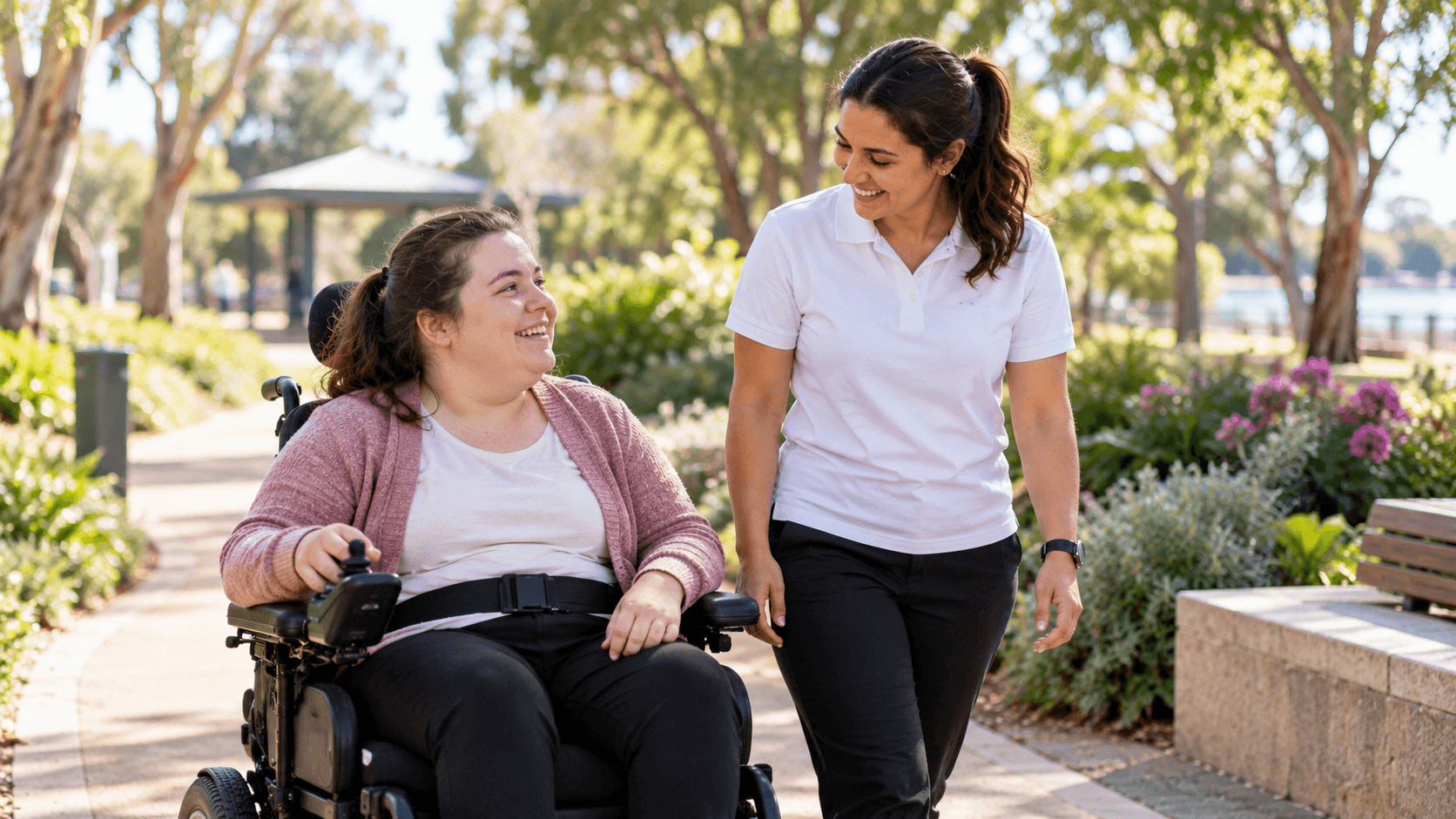


Personal care is an important part of everyday life. Activities such as bathing, showering, dressing, grooming, oral hygiene and maintaining personal cleanliness help people feel comfortable, confident and ready to take part in their daily routines.
For people living with disability, some personal care activities may require additional assistance. Physical limitations, mobility challenges or individual support needs can make certain tasks more difficult to manage independently.
However, needing assistance does not mean losing personal choice or independence. With respectful and personalised support, people can continue to participate in their own routines, make decisions about their care and maintain their dignity.
Understanding how everyday personal care works and what appropriate assistance can look like can help participants and families make informed decisions about their support arrangements.
Why Personal Care Is Important for Everyday Wellbeing
Personal care involves more than maintaining physical cleanliness. It can also influence comfort, confidence, dignity and overall wellbeing.
Having a consistent morning routine, wearing comfortable clothing, maintaining oral hygiene and feeling fresh throughout the day can help people feel more prepared for everyday activities.
For someone who needs assistance, having reliable support with these activities can reduce everyday difficulties and make routines easier to manage.
Personal care should always reflect the individual’s preferences, abilities, cultural considerations and personal circumstances.
1. Maintaining Personal Hygiene
Bathing and showering are important parts of a healthy daily routine. However, these activities may become challenging for people who experience mobility difficulties, balance concerns or physical limitations.
Depending on individual needs, assistance may involve preparing the bathroom, organising towels and personal hygiene products, providing physical assistance or offering guidance throughout the routine.
Privacy and dignity should remain central to every interaction.
Support workers should respect personal boundaries, explain what assistance is being provided and encourage the individual to participate wherever possible.
The objective is to help the person maintain their hygiene comfortably while respecting their preferences and abilities.
2. Dressing and Choosing Comfortable Clothing
Getting dressed is another everyday activity that can require different levels of assistance.
Some people may need help selecting suitable clothing, organising garments or managing buttons, zips and footwear. Others may require more direct physical assistance.
A person’s clothing choices should always be respected.
Weather, comfort, personal style, cultural preferences and planned activities may all influence what someone wants to wear.
A support worker can help organise clothing and provide assistance while allowing the participant to make their own decisions.
Even small choices, such as selecting a favourite outfit or deciding what to wear for an outing, can help maintain a sense of control over everyday life.
3. Grooming and Looking After Personal Appearance
Grooming can be an important part of feeling comfortable and confident.
Everyday grooming activities may include brushing hair, shaving where appropriate, washing the face, applying personal care products and maintaining basic nail care.
The type of assistance required will vary between individuals.
Some participants may only need reminders or help organising their personal care items. Others may require direct assistance with particular activities.
A consistent grooming routine can help people feel prepared for social interactions, appointments and community activities.
Most importantly, grooming preferences should remain personal. Support should be provided according to what the individual wants and finds comfortable.
4. Oral Hygiene and Daily Health Habits
Oral hygiene is another important part of personal care.
Brushing teeth, cleaning dentures where applicable and maintaining regular dental appointments can help support oral health.
For someone who experiences difficulty with hand movements, coordination or remembering daily routines, these activities may require additional assistance.
A support worker may help organise toothbrushes and other hygiene products, provide reminders or assist according to the person’s assessed needs and agreed care arrangements.
Any concerns involving dental pain, bleeding gums or other oral health problems should be discussed with an appropriate dental or healthcare professional.
5. Creating a Personal Care Routine That Works
A predictable routine can make personal care easier to manage.
Some people prefer completing their personal care activities in the morning, while others may feel more comfortable following an evening routine.
A routine might include:
- Preparing toiletries and clean clothing.
- Completing bathing or showering.
- Brushing teeth and maintaining oral hygiene.
- Grooming and dressing.
- Organising personal belongings.
- Preparing for the day’s activities.
The routine should be flexible enough to accommodate the person’s preferences, appointments, energy levels and changing needs.
Support workers can help organise these activities while encouraging participation and gradually developing practical skills where appropriate.
6. Respecting Privacy, Choice and Dignity
Personal care can involve sensitive and private activities. This makes respectful communication especially important.
Participants should be treated as individuals with their own preferences, boundaries and right to make decisions.
Before providing assistance, a support worker should communicate clearly, respect consent and explain what they are doing.
For example, a participant may prefer a particular time for showering, want specific toiletries used or feel more comfortable with certain clothing choices.
These preferences should be discussed and respected wherever possible.
A person should not feel rushed, embarrassed or ignored during personal care activities.
Maintaining dignity means recognising that the individual remains in control of their personal choices, even when they require physical assistance.
7. Supporting Independence Through Everyday Activities
Receiving personal care assistance does not mean someone cannot develop their own skills.
Where appropriate, support workers can encourage participants to complete parts of their routine independently.
For example, a person may be able to select their clothes, brush their hair or organise their toiletries but require assistance with other activities.
Breaking a routine into manageable steps can help identify which activities the person can complete independently and where assistance is needed.
Over time, practising familiar tasks may help improve confidence and participation.
The amount of support should always reflect the person’s abilities, safety considerations and individual goals.
8. When Personal Care Needs Change
Support requirements can change over time.
A person may experience changes in mobility, physical comfort, health or daily circumstances that affect how easily they manage personal care.
Activities that were previously manageable may begin requiring additional assistance.
It is important to communicate these changes so that support arrangements can be reviewed.
For participants with more complex needs, personal care may need to be coordinated with other healthcare or high-intensity support arrangements.
Where clinical assistance is required, it should be provided by appropriately qualified professionals within their scope of practice.
Recognising changes early can help participants and their support networks consider whether adjustments are needed.
9. The Role of Support Workers in Personal Care
Support workers can play an important role in helping people manage everyday personal activities.
Depending on the participant’s requirements and agreed supports, assistance may include bathing, dressing, grooming, oral hygiene, toileting and other daily routines.
Good support involves understanding the person’s preferences rather than following the same routine for everyone.
It also requires patience, communication and awareness of individual needs.
A support worker should encourage participation where possible while providing the appropriate level of assistance.
The goal is not simply to complete personal care tasks. It is to help the individual maintain comfort, dignity and involvement in everyday life.
10. Personal Care and Participation in the Community
Personal care can also support participation outside the home.
Feeling comfortable and prepared can make it easier to attend appointments, visit friends, go shopping or participate in community activities.
For example, completing a morning grooming routine and choosing suitable clothing may help someone feel ready for a planned outing.
When personal care is included in a broader daily routine, it can support opportunities for social interaction and community participation.
Other supports, such as travel assistance and community access, may also help participants take part in activities that are important to them.
How Truecare Support Services Can Help
Every participant has different personal care requirements. Some people may need occasional assistance with grooming or dressing, while others may require regular support with several daily activities.
At Truecare Support Services, we recognise the importance of providing assistance that respects individual needs, personal preferences and dignity.
Our Assistance with Daily Personal Activities support is intended to help eligible participants manage everyday personal care routines and participate in daily life with appropriate assistance.
Whether someone needs support with personal hygiene, dressing, grooming or other agreed daily activities, the approach should be centred on their circumstances and goals.
To learn more about available support options, visit Truecare Support Services and explore our daily personal activities services.
Making Personal Care a Positive Part of Everyday Life
Personal care should never be treated as just another checklist of daily tasks.
It is an important part of maintaining comfort, confidence, dignity and wellbeing.
With respectful assistance, people living with disability can continue making choices about their routines, participate in activities and maintain as much independence as possible.
Every individual deserves personal care that recognises their preferences, respects their privacy and supports their everyday goals.
At Truecare Support Services, we believe that meaningful support begins with understanding the person, respecting their choices and helping them feel comfortable in their everyday life.
Your Journey, Our Care
Maintaining Dignity and Independence Through Everyday Personal Care
Featured posts