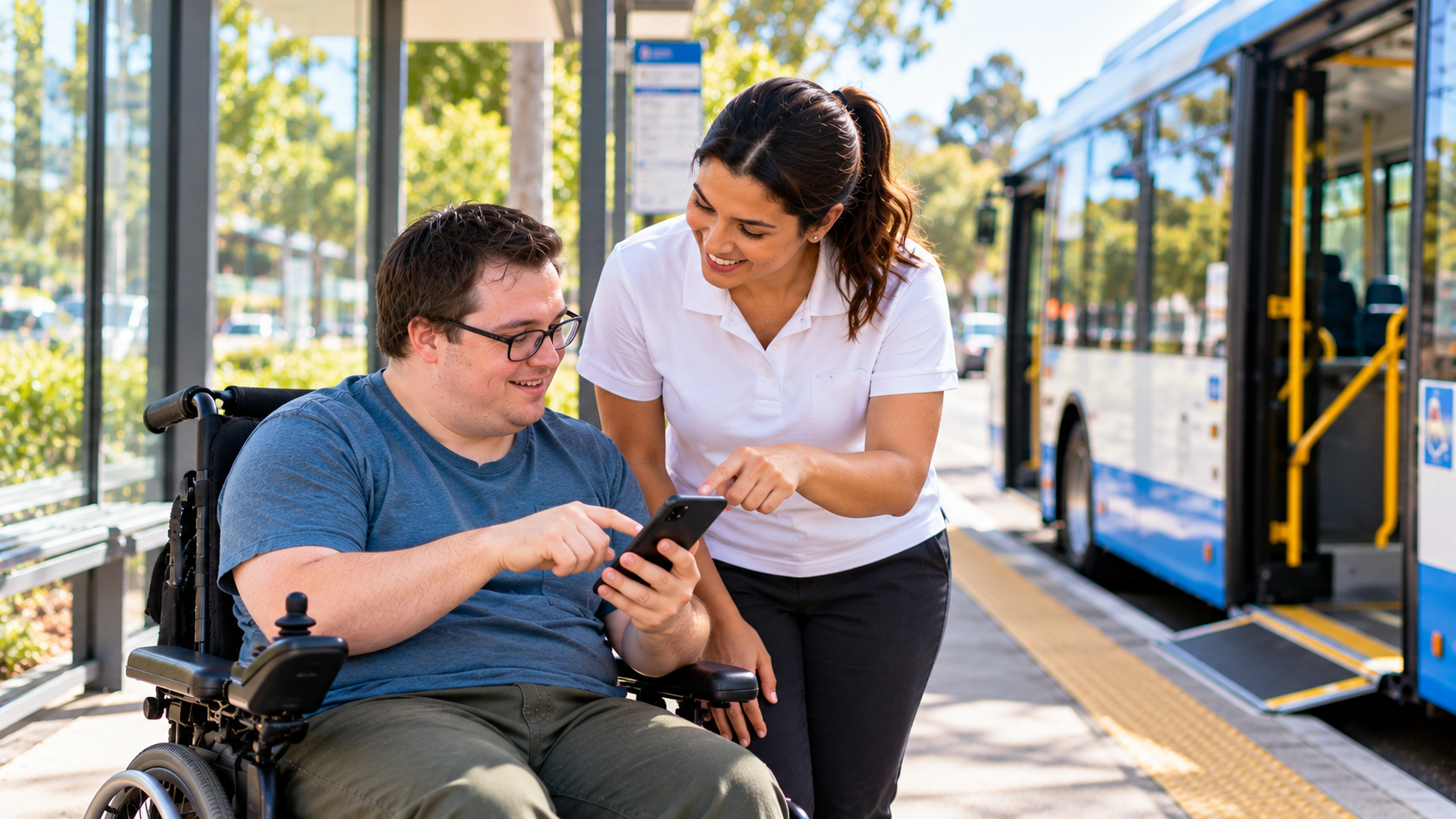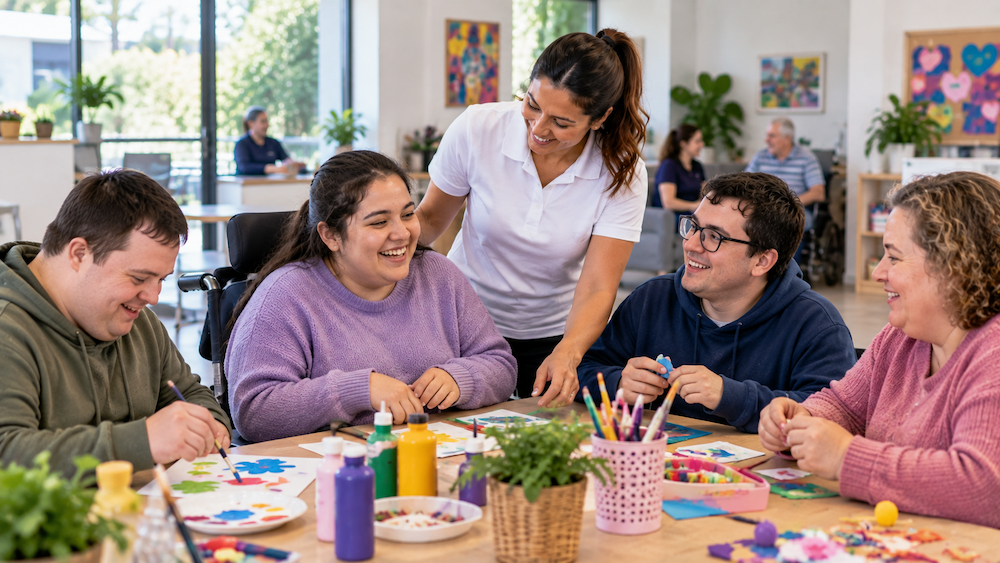


Being able to travel confidently can open up new opportunities in everyday life. From attending appointments and going shopping to visiting friends, studying, working or enjoying community activities, travelling helps people stay connected with the places and experiences that matter to them.
For people living with disability, using public transport or planning an unfamiliar journey may sometimes require additional assistance. Understanding routes, checking timetables, purchasing tickets, finding the right stop and managing unexpected changes can all present challenges.
With appropriate guidance and regular practice, these skills can become easier to manage. Travel training can help people develop confidence, understand their travel options and participate more actively in their communities.
Why Travel Skills Matter in Everyday Life
Transport is closely connected to independence. When people feel more confident planning and managing journeys, they may find it easier to access education, employment, healthcare, shopping and recreational activities.
For some individuals, independence may mean learning to use a familiar bus route. For others, it may involve understanding train connections, recognising stops or preparing for a trip to a new location.
Everyone has different abilities, preferences and support needs. The aim is not to expect every person to travel independently, but to help each individual develop appropriate skills and access the level of support they need.
Understanding Public Transport Routes
Planning a journey is often the first step towards travelling with greater confidence.
Before leaving home, a person may need to identify their destination, choose a suitable route, check departure times and understand where they need to get on and off.
Digital journey planners, transport apps, printed timetables and maps can help make this process easier. Learning how to use these tools can also help people become more familiar with their local transport network.
A support worker may help a participant practise planning a familiar journey before gradually exploring other routes, depending on their goals and circumstances.
Repeated practice can help make the process more familiar and manageable.
Learning About Tickets and Travel Payments
Understanding how to pay for travel is another useful everyday skill.
Depending on the transport system, this may involve purchasing a ticket, using a travel card, checking available balances or understanding the correct way to tap on and off.
Some people may benefit from practising these steps in advance or learning how to check fares and payment requirements.
Support can also help participants understand how to keep their travel card or ticket accessible during a journey.
These practical skills can make travelling less stressful and encourage greater confidence when accessing public transport.
Preparing for Appointments and Everyday Outings
Not every journey needs to involve public transport. Everyday travel can include visiting a doctor, attending therapy, going to work or study, buying groceries, visiting friends or enjoying a local community activity.
Planning ahead can help make these journeys easier.
A simple travel routine might include checking the appointment time, identifying the destination, choosing a suitable transport option, preparing personal belongings and allowing extra time for delays.
For people who need assistance with several parts of a journey, having a clear plan can reduce uncertainty and make the outing more comfortable.
Building Confidence Through Practice
Learning a new travel skill takes time. Starting with a familiar destination can help a person understand the process without having to manage too many unfamiliar details at once.
For example, a participant might begin by learning how to reach a nearby shop or community centre. Once comfortable with the route, they may wish to practise travelling to another familiar location.
Depending on the individual’s needs, practice may involve recognising landmarks, checking signs, asking for directions or understanding what to do if a service is delayed.
Progress should happen at a pace that suits the person. Some individuals may develop confidence quickly, while others may need continued guidance or ongoing assistance.
Staying Safe During a Journey
Safety is an important part of travel preparation.
Before travelling, it can be helpful to discuss road crossings, accessible boarding points, platform safety, personal belongings and what to do if plans change.
Participants may also benefit from learning how to contact a trusted person, identify transport staff or seek assistance when necessary.
For people who may have difficulty managing unexpected situations, a support worker can help develop a plan that reflects their individual communication, mobility and safety needs.
The appropriate level of supervision or assistance should always be considered before someone attempts a new journey independently.
What Happens When Travel Plans Change?
Public transport does not always run exactly as expected. Services may be delayed, routes may change, or a person may accidentally miss their stop.
These situations can be particularly challenging when someone is still developing travel skills.
Practising simple responses can help people feel better prepared. This may include checking service updates, identifying an alternative route, finding a safe place to wait or contacting someone for assistance.
The goal is not to eliminate every possible problem. It is to help the person understand their options and know where to seek support when needed.
How Support Workers Can Help With Travel Training
A support worker can assist with the practical and learning aspects of everyday travel, depending on the participant’s individual goals and agreed supports.
This may include planning routes, understanding ticketing systems, preparing for appointments, practising familiar journeys or accessing community activities.
For example, a participant who wants to visit a local library might practise checking the route, identifying the correct stop and preparing what they need to take.
Another person may need ongoing assistance travelling to appointments or community destinations rather than training to travel alone.
The right approach recognises that support needs differ from person to person. Developing skills is valuable, but receiving assistance when needed is equally important.
Making Community Participation More Accessible
Travel can create opportunities to participate in activities that bring enjoyment and meaning to everyday life.
A visit to a park, shopping centre, community event, recreational facility or favourite café can help people explore their interests and maintain social connections.
When travel arrangements are suitable and accessible, these activities may become easier to include in a regular routine.
For participants who want to explore local activities, community participation support can complement travel assistance by helping them access experiences that reflect their interests and goals.
Personalised Transport Support With Truecare
Every person’s travel goals are different. Some people want to develop public transport skills, while others need practical assistance reaching appointments, shopping destinations or community activities.
At Truecare Support Services, we recognise the importance of personalised support that respects each participant’s needs, preferences and goals.
Our NDIS Travel & Transport Assistance service can help eligible participants access everyday destinations and community opportunities in line with their agreed support arrangements.
Whether the goal is practising a familiar route or receiving assistance with regular journeys, the focus should be on making travel more manageable and supporting meaningful participation.
NDIS funding and support eligibility depend on individual circumstances, plan arrangements and applicable NDIS rules.
Every Journey Can Build Confidence
Learning to travel is not just about reaching a destination. It can also involve developing planning skills, making decisions, understanding transport options and becoming more familiar with the surrounding community.
For some people, progress may begin with learning one bus route. For others, it may mean becoming more comfortable preparing for appointments or travelling with the right support.
With suitable guidance, realistic goals and opportunities to practise, everyday journeys can become more manageable.
At Truecare Support Services, we believe travel support should help people access the places that matter to them while respecting their independence, dignity and individual choices.
Your Journey, Our Care
Learning to Travel More Independently: A Guide to Public Transport
Featured posts