
How Community Participation Builds Confidence and Belonging
How Community Participation Builds Confidence and Belonging
Being part of a community means having opportunities to connect with others, explore personal interests and enjoy experiences that make everyday life meaningful. For people living with disability, these opportunities can play an important role in building confidence, developing relationships and creating a stronger sense of belonging.
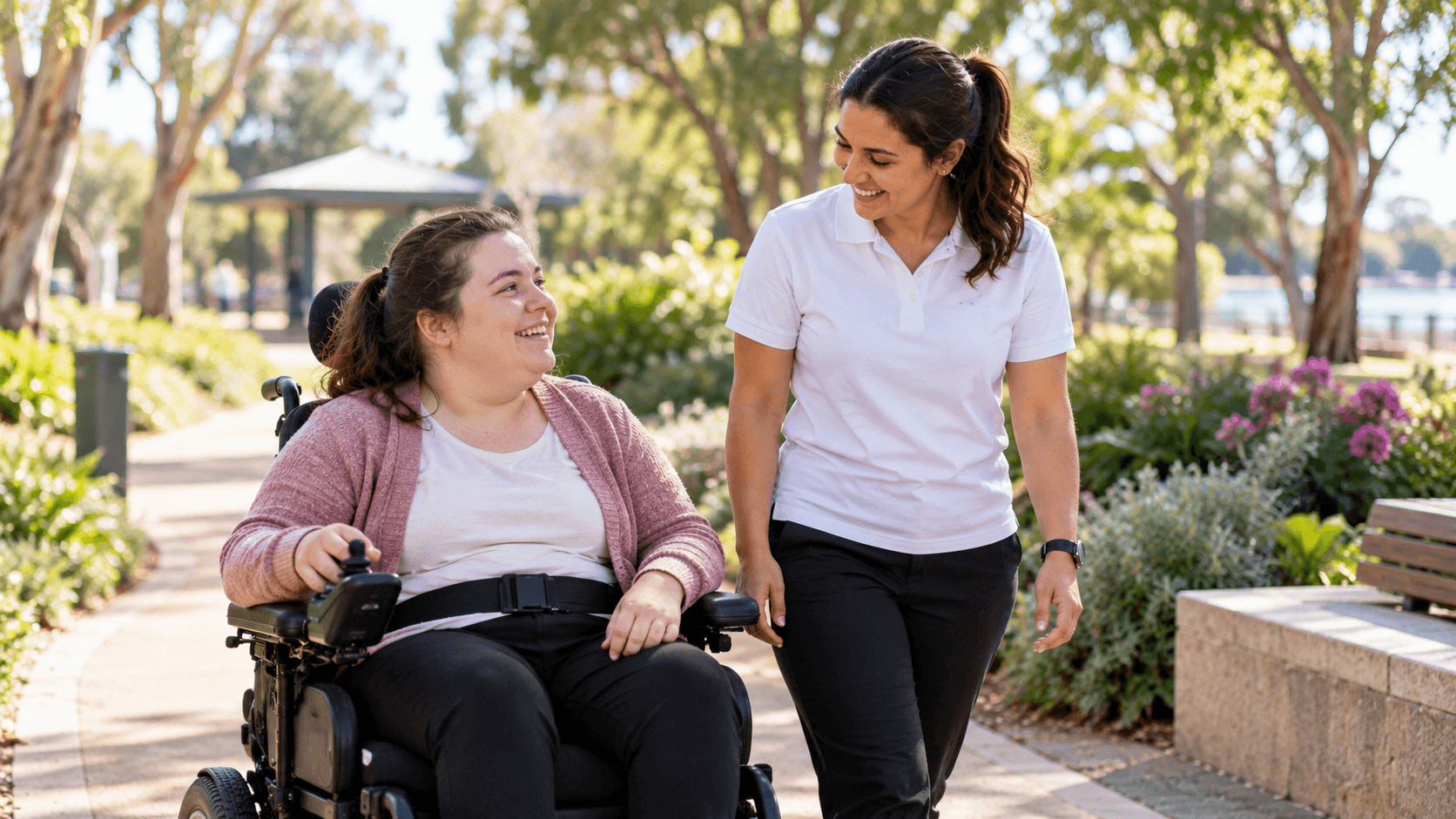
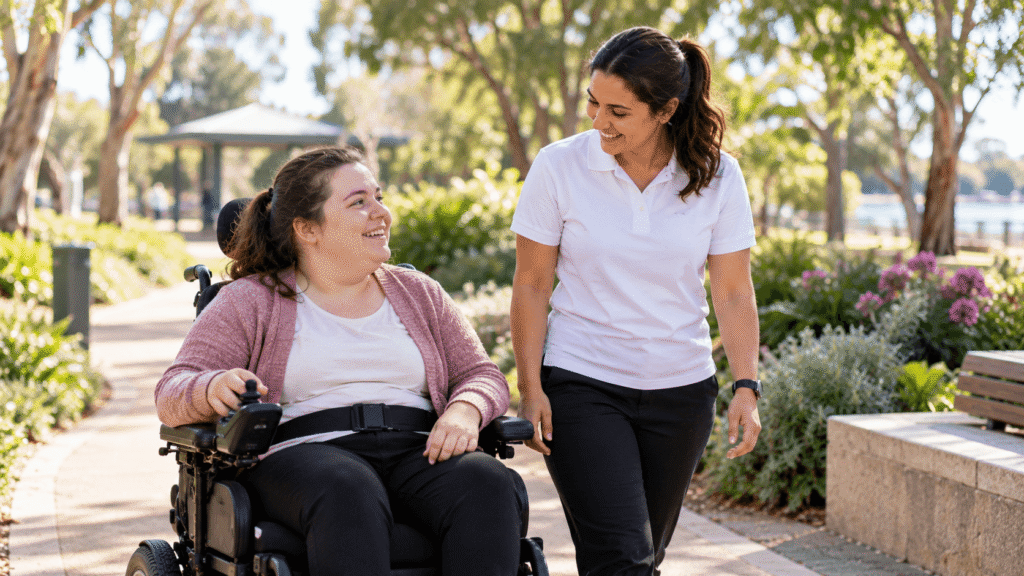
Community participation can include visiting a local park, enjoying a coffee with friends, attending community events, exploring hobbies, joining recreational activities or simply spending time in places that feel welcoming and familiar.
However, accessing these experiences is not always straightforward. Some people may need assistance with planning outings, travelling to different locations, communicating with others or feeling comfortable in unfamiliar environments.
With appropriate support, community activities can become a regular and enjoyable part of everyday life, helping people participate in ways that reflect their interests, abilities and personal goals.
Why Community Connections Matter
Human connection is an important part of everyday wellbeing. Spending time with others can create opportunities for conversation, friendship, shared interests and positive experiences.
For someone who experiences barriers to accessing community activities, finding suitable opportunities to connect with others may require additional planning and assistance.
A visit to a local community centre, participation in a hobby group or a regular outing to a favourite café can provide opportunities to become familiar with people and places.
These experiences do not need to be complicated. Sometimes, enjoying a familiar activity or having a friendly conversation can make a meaningful difference to someone’s day.
Exploring Local Activities and New Experiences
Every person has different interests. Some people enjoy spending time outdoors, while others prefer creative activities, shopping, music, sport, gardening, cooking or visiting local attractions.
Discovering these interests can help make community participation more enjoyable and meaningful.
A person might enjoy exploring a nearby park, attending a local market, visiting a library or taking part in a community event. Someone else may prefer quieter activities or smaller social gatherings.
The important thing is to identify experiences that the person genuinely enjoys rather than expecting everyone to participate in the same activities.
Having opportunities to explore personal interests can encourage people to make choices, try new experiences and develop a routine that feels right for them.
Building Friendships Through Shared Interests
Friendships often begin with simple shared experiences.
Taking part in an activity with others can create natural opportunities to talk, exchange ideas and discover common interests. Over time, familiar activities may help people feel more comfortable interacting with others.
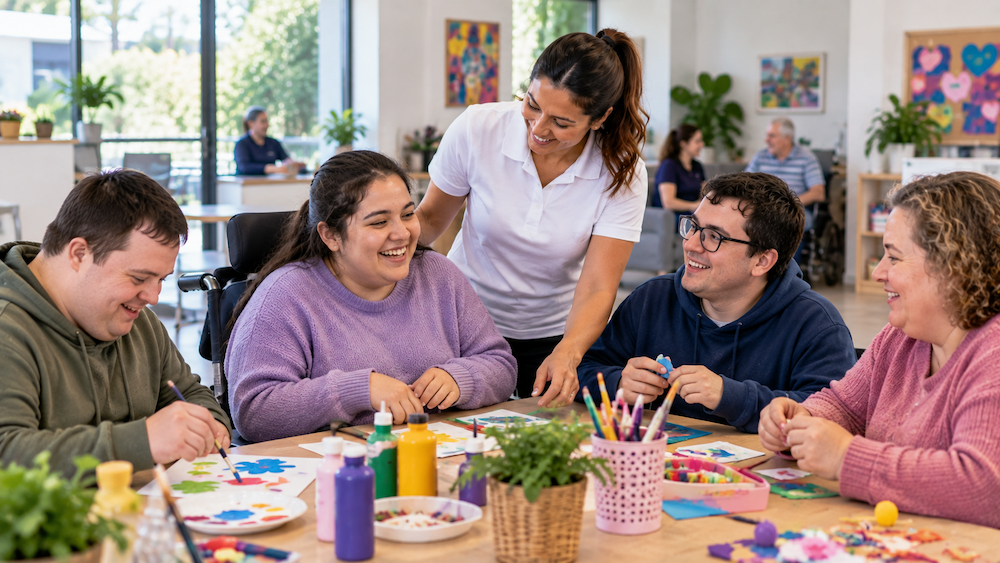
For example, attending a regular art group, joining a gardening activity or visiting the same community venue can provide opportunities to recognise familiar faces and develop social connections.
Not every interaction will lead to a friendship, and that is perfectly normal. What matters is having opportunities to meet people and participate in environments where connections can develop naturally.
Developing Confidence Outside the Home
Visiting unfamiliar places or joining new activities can sometimes feel challenging.
A person may feel uncertain about what to expect, how to interact with others or how to manage an unfamiliar environment. Having appropriate support can make these experiences more comfortable.
Starting with familiar places and gradually exploring new activities may help build confidence at a manageable pace.
For example, someone who regularly enjoys short visits to a local café may eventually feel comfortable exploring a community event or joining a group activity.
Each experience provides an opportunity to learn what works, express preferences and become more familiar with different situations.
Confidence develops differently for everyone, so participation should always respect the person’s comfort, choices and goals.
How Support Workers Can Help With Community Access
A support worker can help make community activities more accessible by assisting with the practical steps involved in an outing.
Depending on the person’s individual needs, this may include planning an activity, preparing belongings, arranging suitable transport, navigating a venue or providing assistance during social interactions.
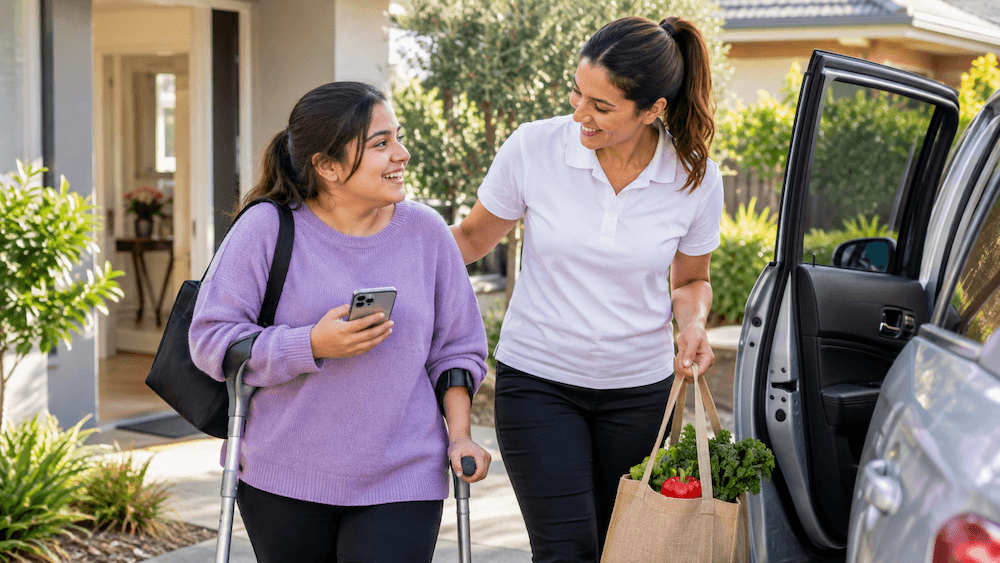
For example, a participant who wants to visit a local market may need help planning the journey, identifying accessible facilities or organising the outing around their routine.
Another person may appreciate support when attending a community event for the first time.
The level of assistance should reflect the participant’s circumstances. Support should encourage involvement and choice rather than taking over the experience.
Making Everyday Outings More Meaningful
Community participation does not always require a large event or a full day away from home.
Everyday outings can be just as valuable. Visiting a neighbourhood park, buying fresh vegetables at a local market, walking through a shopping centre or enjoying a quiet afternoon at a library can provide opportunities to engage with the community.
These activities can also become part of a regular routine.
Having familiar places to visit may make planning easier and provide something enjoyable to look forward to. Over time, participants may discover new interests and become more comfortable exploring their local area.
The goal is to create opportunities that feel meaningful to the individual.
Supporting Choice, Dignity and Independence
Community participation should reflect what the person wants from their everyday life.
One participant may enjoy meeting new people, while another may prefer spending time outdoors or pursuing an individual hobby. Some people may feel comfortable in busy environments, whereas others may prefer quieter settings.
Respecting these preferences is essential.
Participants should have opportunities to choose activities, express their opinions and decide how they want to spend their time. They should also be able to change their minds or explore different interests as their circumstances evolve.
Support is most meaningful when it helps people participate in ways that reflect their own priorities.
Overcoming Common Barriers to Participation
Several factors can make community activities difficult to access. These may include transport challenges, physical accessibility, communication barriers, uncertainty about unfamiliar places or difficulty planning an outing.
Identifying these challenges can help make participation more manageable.
For example, choosing an accessible venue, checking transport options beforehand or visiting at a quieter time may help someone feel more comfortable.
Preparing a simple plan can also reduce uncertainty. Knowing where the activity will take place, how long it may last and what to expect can help a participant feel better prepared.
Plans should remain flexible, allowing time for breaks and changes when needed.
Connecting Community Participation With Personal Goals
Community activities can support goals beyond social interaction.
Attending a local activity may provide opportunities to practise communication, make decisions, manage time or become more familiar with public spaces.
Shopping outings can involve planning purchases and making choices. Recreational activities may encourage participants to explore hobbies or develop new interests. Regular community visits can also help people become more comfortable navigating familiar locations.
These everyday experiences can complement other areas of personal development and daily living.
For participants who want to explore their skills further, Development of Daily Living and Life Skills may also be relevant.
Finding Community Activities That Feel Right
Finding suitable activities can take time. It may help to begin with something familiar and build from there.
Consider what the person enjoys, which environments they feel comfortable in and whether they would prefer individual activities or opportunities to spend time with a group.
Local parks, libraries, community centres, recreational facilities, markets and interest-based groups can all offer different experiences.
It is also important to consider accessibility, travel requirements, available support and the person’s energy levels.
There is no need to rush. The aim is to find activities that encourage enjoyment, connection and participation without creating unnecessary pressure.
How Truecare Support Services Can Help
At Truecare Support Services, we recognise that meaningful community participation looks different for everyone.
Our community access support is focused on helping NDIS participants explore their interests, access local activities and take part in experiences that matter to them. Depending on individual needs and agreed supports, this may involve assistance with community outings, social activities, hobbies and other everyday experiences.
We aim to respect personal choices and support participants to engage at a pace that feels comfortable for them.
To learn more about the available support options, visit the Truecare Support Services website at truecaress.com.au and explore the relevant community participation service.
Creating a Greater Sense of Belonging
A sense of belonging can grow through everyday experiences: a conversation with someone new, a visit to a favourite place, participation in an enjoyable activity or the opportunity to develop a shared interest.
For people living with disability, accessible and personalised support can help create more opportunities to experience these moments.
Community participation is not about being busy all the time or attending as many activities as possible. It is about having meaningful choices, developing connections and enjoying experiences that contribute to a fulfilling everyday life.
With the right support, people can explore their interests, strengthen their confidence and feel more connected to the places and communities around them.
Everyone deserves the opportunity to participate in ways that matter to them.
Your Journey, Our Care
Featured posts