
How Group Activities Build Confidence and Connection
Being part of a group can bring more to everyday life than simply having something to do. For people living with disability, taking part in suitable activities can create opportunities to meet others, develop confidence, practise communication and enjoy meaningful experiences outside the home.
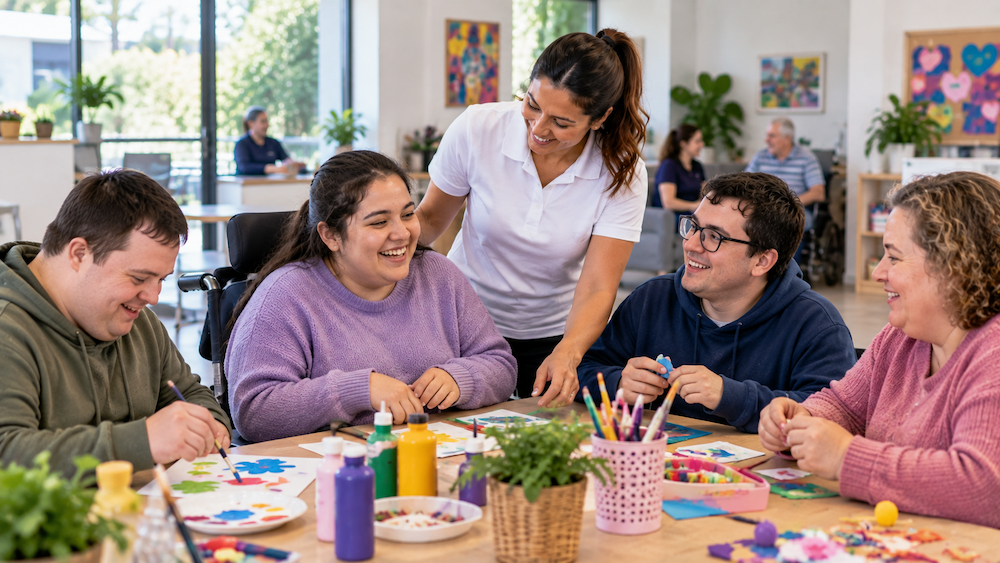
Group activities can take many forms. They may include creative activities, cooking, games, exercise, community outings, social gatherings, educational activities or other interests that suit the participant.
The most important part is that the activity should be meaningful to the individual. When people have opportunities to participate in activities they enjoy, everyday experiences can become a valuable part of building confidence and independence.
Why Social Connection Matters
Everyone needs opportunities to connect with other people. Regular social interaction can provide a sense of belonging and create opportunities to develop friendships and positive relationships.
For a person who may experience difficulty accessing community activities independently, joining a suitable group can provide a comfortable way to meet people and become involved.
Even simple conversations during an activity can help develop communication and social confidence. Over time, familiar faces and familiar environments can make participation feel more comfortable.
Social connection can therefore become an important part of a person’s overall routine.
Finding Activities That Match Personal Interests
Not everyone enjoys the same activities.
One person may enjoy cooking, while another may prefer art, music, gardening, games, exercise or spending time outdoors. Some people may enjoy structured learning activities, while others may prefer relaxed social gatherings.
Choosing activities based on personal interests can make participation more enjoyable and meaningful.
It can also encourage people to take a more active role in deciding how they spend their time.
Rather than focusing only on what activities are available, it can be helpful to consider what the person actually enjoys and what experiences they would like to explore.
Building Confidence Through Participation
Confidence often develops through experience.
A person may initially feel uncertain about joining a new group or entering an unfamiliar environment. With appropriate encouragement and support, the experience can gradually become more comfortable.
Successfully participating in an activity can provide a sense of achievement. Returning to the same activity regularly can then help build familiarity.
Small experiences such as introducing yourself to someone, joining a conversation, helping prepare an activity or completing a group task can gradually strengthen confidence.
These everyday achievements can also encourage participation in other areas of life.
Developing Communication Skills
Group activities naturally create opportunities for communication.
Participants may need to ask questions, listen to others, express preferences, make choices or work together on an activity.
For some people, these situations can provide useful opportunities to practise communication in a relaxed environment.
A support worker can provide encouragement where appropriate while allowing the participant to communicate and interact as independently as possible.
Over time, repeated experiences can help make social situations feel more familiar.
Creating a Sense of Routine
Having regular activities during the week can provide structure.
For example, a participant might attend a group activity on a particular day, take part in a community outing later in the week and spend another day working on personal interests.
A predictable routine can make it easier to plan the week and know what to expect. It can also provide something meaningful to look forward to.
For people working towards greater independence, regular participation can become part of a broader routine that includes household responsibilities, personal activities, community access and life skills.
Learning Through Everyday Activities
Group activities can also provide opportunities to learn practical skills.
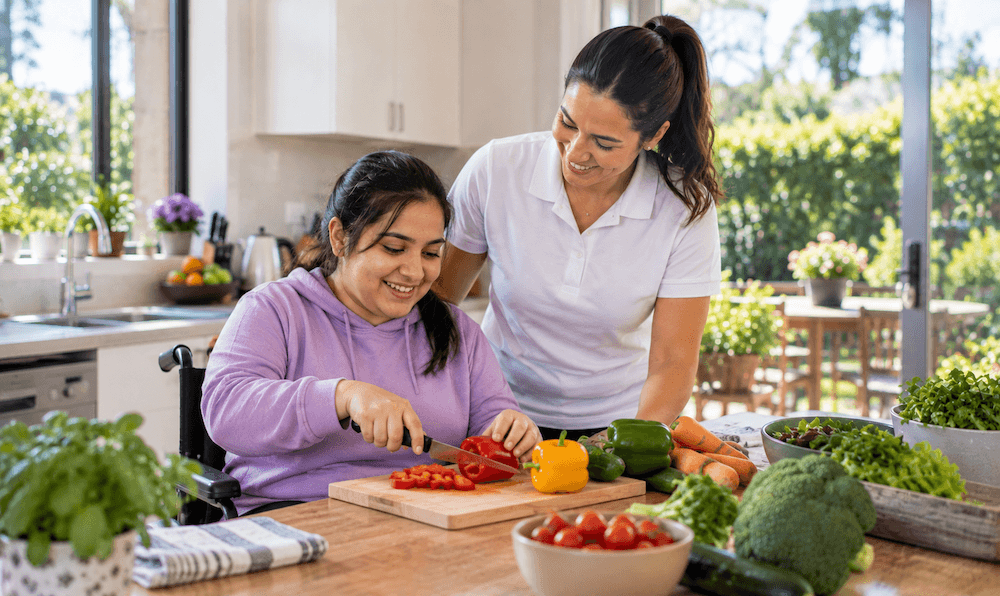
A cooking activity, for example, may involve choosing ingredients, following instructions, preparing food and cleaning up afterwards.
A gardening activity may involve planning what needs to be done, using appropriate tools and caring for plants.
A community outing may provide opportunities to practise communication, decision-making and navigating familiar environments.
These activities may appear simple, but they can support the development of skills that are useful in everyday life.
Encouraging Choice and Independence
Support should not mean deciding everything for the participant.
Where possible, people should have opportunities to express their preferences and make choices about the activities they want to participate in.
This could involve choosing between different activities, deciding what role they would like to take or identifying something new they would like to try.
Having these choices can help people feel more involved in their own routines.
It can also provide opportunities to develop decision-making skills and confidence.
Community Activities Can Open New Opportunities
Group participation does not always need to happen inside a centre.
Depending on the person’s interests and circumstances, activities may take place at a local community facility, park, library, shopping centre, recreational venue or other suitable location.
Community-based activities can help participants become more familiar with their surroundings while creating opportunities to interact with other people.
A simple outing can sometimes become much more than a change of scenery. It can provide opportunities to practise skills, develop confidence and discover new interests.
Support Can Make Participation More Accessible
Some people may need assistance before, during or after an activity.
This could include help with planning, preparing belongings, travelling to the location, understanding the activity or feeling comfortable in a new environment.
The level of support should reflect the person’s individual needs.
For some participants, a support worker may provide occasional encouragement. Others may require more practical assistance to participate safely and comfortably.
Truecare Support Services provides Group & Centre-Based Activities designed around participation, engagement and individual needs.
Connecting Group Activities With Everyday Goals
Group activities can also complement other areas of daily living.
Someone interested in cooking may develop skills that can later be used when preparing meals at home. Someone who enjoys gardening may become more confident participating in household or outdoor activities. Someone who develops communication skills through a group may feel more comfortable interacting with people in other community settings.
This is why meaningful activities can be valuable beyond the activity itself.
The experience can contribute to broader personal goals and provide opportunities to practise skills in real-life situations.
Making Activities Comfortable and Meaningful
There is no single activity that works for everyone.
The environment, group size, activity type, timing and level of support can all influence whether someone feels comfortable participating.
It may take time to discover what works best.
Starting with familiar interests and gradually introducing new experiences can make participation easier. Encouragement should also be balanced with personal choice, allowing the participant to decide what they enjoy and what they would like to explore.
The goal is meaningful participation rather than simply attending an activity.
Small Experiences Can Create Bigger Changes
A conversation with another participant, completing a group activity, trying something new or returning to a familiar group can each represent a small step forward.
Over time, these experiences can contribute to greater confidence, stronger social connections and increased participation in everyday life.
For people living with disability, having regular opportunities to participate can help create a routine that includes social interaction, learning, enjoyment and personal choice.
Creating a More Connected Everyday Life
A meaningful routine is about more than completing daily responsibilities. It can also include opportunities to enjoy interests, meet people, explore the community and develop new skills.
Group activities can provide one pathway towards these experiences.
With the right activity and appropriate support, participants can have opportunities to build confidence, practise communication, develop everyday skills and form connections with others.
At Truecare Support Services, the focus is on helping participants take part in activities that are meaningful to them while respecting their individual preferences, abilities and goals.
Sometimes, a simple activity can become the starting point for a much more connected and confident everyday life.
Explore Group & Centre-Based Activities
Looking for opportunities to support social connection, confidence and meaningful participation? Visit Truecare Support Services to learn more about available support options.
Your Journey, Our Care
Featured posts