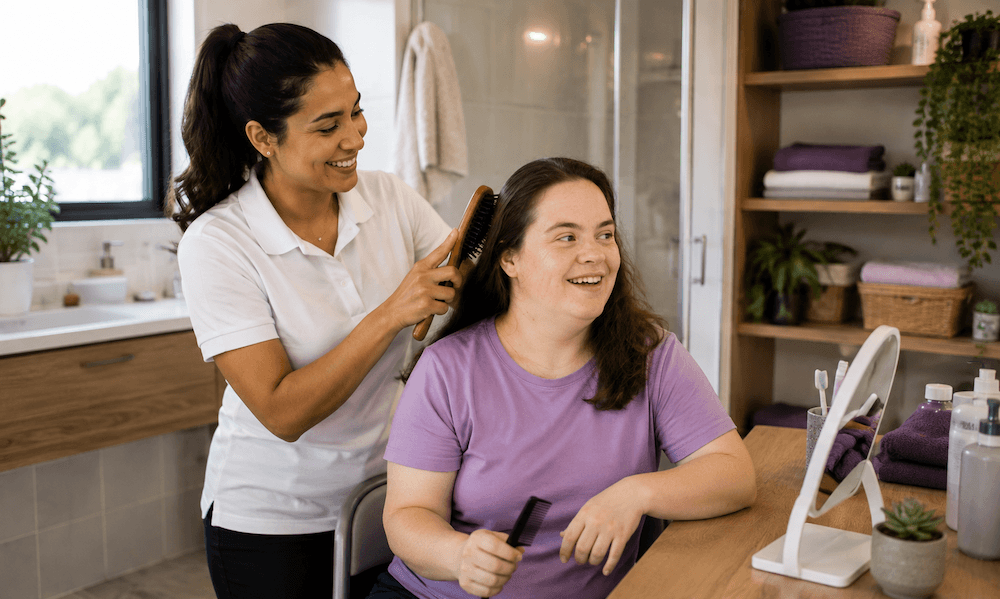

How to Choose the Right Support Worker for Your Everyday Needs

Finding the right support worker can make a meaningful difference to everyday life. A good support relationship is not only about completing tasks. It is also about feeling comfortable, respected, understood, and confident while working towards personal goals.
Support needs can vary considerably from one person to another. Someone may need assistance around the home, while another person may want support with personal activities, community access, appointments, or developing greater independence.
The NDIS explains that support workers can assist with different areas of everyday life depending on a participant’s goals and what is included in their plan. This can include household activities, personal care, daily chores, transport, outings, and community participation.
Start With Your Own Needs
Before choosing a support worker, it can help to think about what you actually want assistance with.
Consider what parts of your day are difficult, where you would like to become more independent, and what type of support would make everyday life easier. Your needs may change over time, so the right support should be flexible enough to adapt with you.
For example, one participant may need help establishing household routines, while another may benefit from assistance when attending community activities or managing personal routines.
Understanding these priorities first can make it easier to find someone whose experience and approach match your circumstances.
Communication Is Important
A strong support relationship depends on clear and respectful communication.
You should feel comfortable explaining your preferences, asking questions, and discussing how you would like support to be provided. A good support worker should also take the time to listen rather than assuming that everyone wants assistance in the same way.
Communication can be particularly important when routines change or when a participant’s needs develop over time. Being able to have an open conversation can make these changes much easier to manage.
Compatibility Matters
Professional experience is important, but personal compatibility matters too.
You may spend considerable time with your support worker, particularly if assistance involves regular household activities, personal routines, or community participation. Feeling comfortable around the person providing support can make everyday interactions much more positive.
Think about whether their communication style, personality, approach to independence, and understanding of your preferences feel appropriate.
The right match should allow you to feel supported without feeling that someone is taking control of your daily life.
Look for Support That Encourages Independence
Good support should not necessarily mean doing everything for you.
Where appropriate, a support worker can encourage you to participate in tasks and develop skills that may help you become more independent over time. This might involve preparing a meal together, practising a household routine, planning a shopping trip, or becoming more confident when visiting the community.
The amount of assistance can also change as your confidence grows. Something that requires hands-on help today may only require occasional guidance in the future.
This approach can turn everyday support into an opportunity for skill development.
Discuss Your Preferences Early
It is helpful to talk about your expectations before support begins.
You may have preferences regarding routines, communication, activities, cultural considerations, privacy, or the way particular tasks are completed. Sharing these preferences early can help establish a more comfortable working relationship.
It is also worth discussing practical details such as schedules, responsibilities, and how changes to planned support will be communicated.
The NDIS recommends having a service agreement where appropriate so that participants and providers have a clear understanding of the supports they have agreed to.
Safety and Professional Standards
Feeling safe should always be part of a positive support experience.
Participants can ask questions about a worker’s experience, responsibilities, and relevant screening requirements. The NDIS also recommends checking that support workers have completed an NDIS Worker Screening Check where applicable.
A professional support environment should respect your privacy, dignity, choices, and personal boundaries.
If something does not feel right, it is important to raise the concern with the appropriate person or organisation.
Support Should Fit Into Your Life
The best support is practical and personalised. It should fit around your goals and daily life rather than forcing you into a routine that doesn’t work for you.
For some participants, this may involve assistance with household responsibilities. Others may need support with daily personal activities, developing life skills, or becoming more confident in the community.
At Truecare Support Services, our approach is centred around understanding each participant as an individual. Depending on their goals and support needs, we can provide assistance across areas such as daily living activities, household tasks, personal support, community participation, and life skills development.
Choosing Support Is a Personal Decision
There is no single support worker who will be the perfect match for everyone. The right choice depends on your individual circumstances, preferences, goals, and the type of relationship you want to build.
Taking time to discuss your needs, expectations, communication style, and goals can help create a support arrangement that feels comfortable and useful.
Most importantly, your support should help you maintain choice and control while encouraging greater confidence in everyday life.
At Truecare Support Services, we believe quality support starts by listening. Our goal is to work alongside participants in a respectful and practical way, helping them navigate everyday activities while building skills and confidence for the future.
If you are exploring your support options, contact our team to discuss your goals and the type of assistance that may be suitable for your circumstances.
Your Journey, Our Care
Featured posts